

Emerging Super Flu in Pakistan: A Public Health Warrant
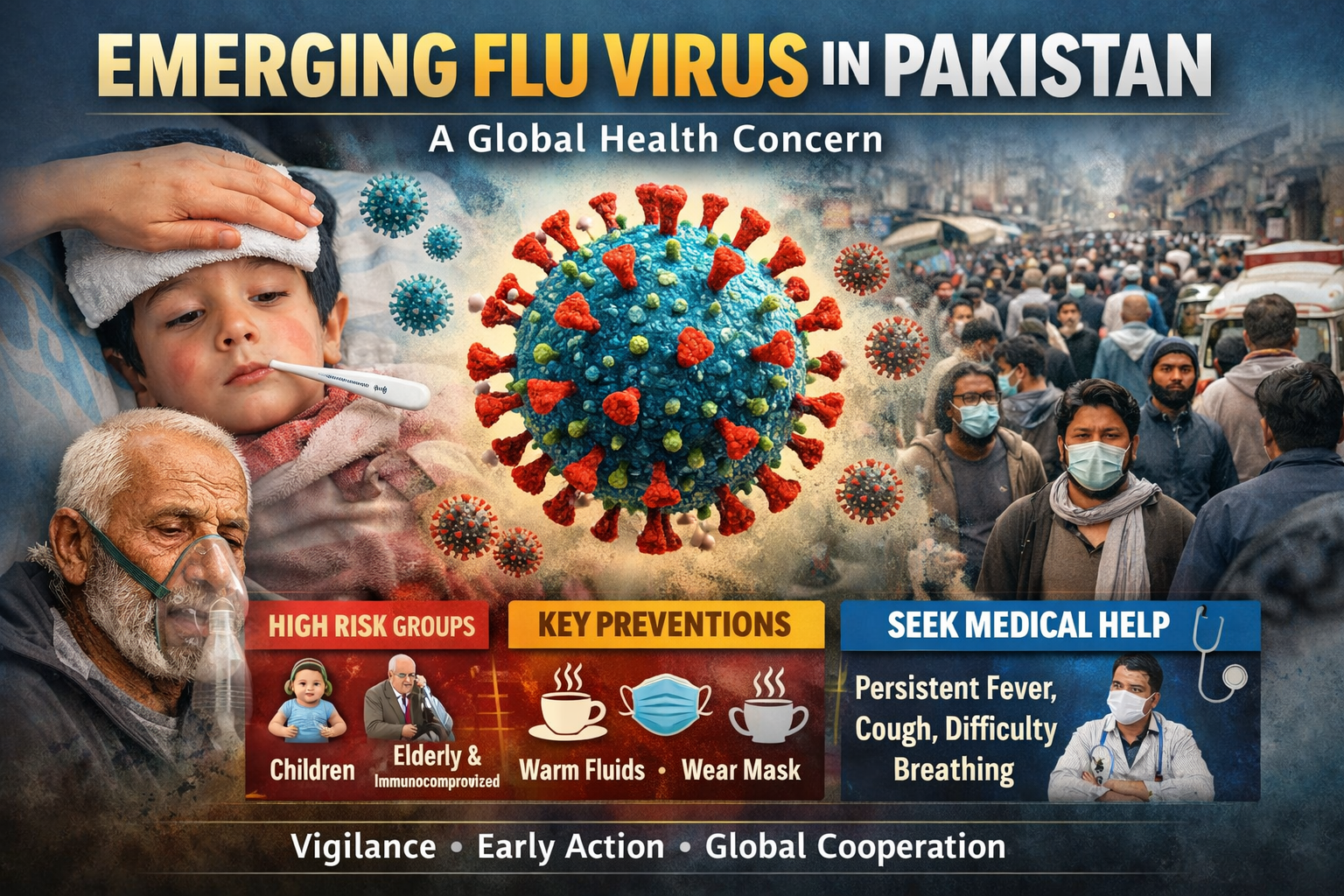
Pakistan faces an emerging flu virus threatening children and elderly populations. Learn symptoms, spread, prevention, and public health risks.
Dr. Amjad Hussain Khan
Pakistan is currently witnessing the spread of an emerging flu virus. As a result, healthcare professionals and public health authorities are increasingly concerned. Moreover, the illness initially resembles seasonal influenza but carries higher risks for vulnerable groups.
While the illness initially resembles seasonal influenza, medical experts warn that it poses heightened risks for children, elderly individuals, and people with weakened immune systems. The situation highlights how localized infectious disease outbreaks can carry serious implications for national and global public health if not addressed early.
Common Symptoms of the Emerging Flu Virus
The virus typically presents with familiar flu-like symptoms, including
- Fever
- Persistent cough
- Sore throat
- Muscle and body aches
- Fatigue and weakness
- Nasal congestion or runny nose
In otherwise healthy adults, symptoms may remain mild. However, children and older adults—particularly those with underlying conditions such as diabetes, heart disease, cancer, or chronic respiratory illnesses—face a significantly higher risk of complications. In addition, symptoms may worsen quickly in high-risk individuals if medical care is delayed.
Why Children and the Elderly Are at Higher Risk
Medical evidence shows that young children and elderly individuals often have weaker immune responses. As a result, their bodies struggle to fight viral infections. Therefore, children and elderly individuals with chronic illnesses face a significantly higher risk of severe complications.
In these groups, the flu can rapidly progress to pneumonia, acute respiratory distress, dehydration, and in severe cases, hospitalization or death. Therefore, immunocompromised patients are especially vulnerable and require close medical monitoring.
How the Flu Virus Spreads in Crowded Settings
A major concern surrounding the emerging flu virus in Pakistan is its high transmissibility. The virus spreads primarily through respiratory droplets released when an infected person coughs, sneezes, or speaks in close proximity to others. Crowded environments such as:
- Schools
- Hospitals
- Public transport
- Healthcare facilities
- Urban marketplaces
can quickly become transmission hotspots, emphasizing the urgent need for early preventive action.
Consequently, crowded environments allow the virus to spread more rapidly among large populations.
Preventive Measures to Reduce Infection Risk
Public health experts stress that simple, low-cost preventive measures can significantly reduce the spread of infection:
- Drinking warm fluids to stay hydrated and soothe the throat
- Wearing face masks, especially in crowded or enclosed spaces
- Practicing proper respiratory hygiene
- Using steam inhalation with natural balms for symptom relief
- Avoiding close contact with sick individuals
While these measures are helpful, they should be considered supportive, not curative. In addition, consistent preventive practices can greatly reduce infection risk at the community level.
When to Seek Medical Attention
Home-based care must never replace professional medical advice. Individuals experiencing persistent fever, worsening cough, breathing difficulty, chest pain, or extreme fatigue should seek prompt medical evaluation. This guidance is especially critical for parents, caregivers of elderly individuals, and those caring for immunocompromised patients, where delayed treatment can lead to severe outcomes.
Global Public Health Implications
From a broader perspective, the emerging flu situation reinforces the importance of early surveillance, transparent reporting, and community awareness. Infectious diseases do not respect borders, and untreated outbreaks can quickly escalate beyond national boundaries. Coordinated efforts between healthcare providers, public health authorities, and responsible media reporting are essential to prevent misinformation and protect populations. However, prevention alone is not enough. Public awareness and early reporting play a critical role in controlling outbreaks.
A Call for Vigilance and Responsibility
In an interconnected world, safeguarding public health requires vigilance, timely intervention, and collective responsibility. The evolving flu virus outbreak in Pakistan serves as a reminder that preparedness, public awareness, and trust in medical guidance remain our strongest defenses against emerging infectious threats.
Read our News – at Digital Newspaper